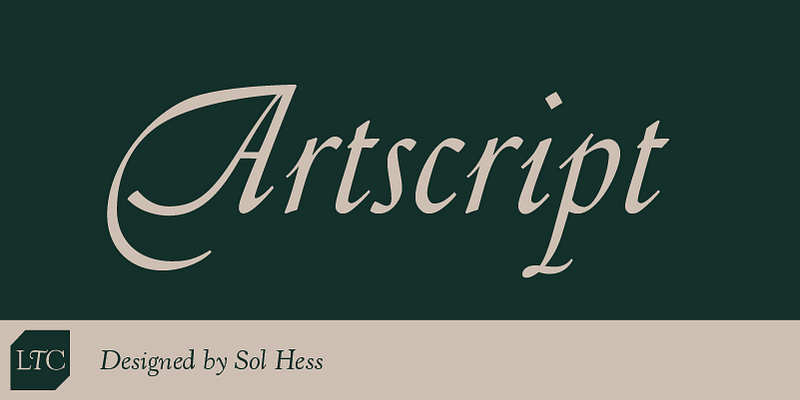
0123456789
Explore LTC Artscript Pro designed by Paul D. Hunt, Sol Hess at Adobe Fonts.
script
foundry
commercial
Explore LTC Artscript Pro designed by Paul D. Hunt, Sol Hess at Adobe Fonts.

LTC Bodoni 175 is modern typeface originally created by Giambattista Bodoni in 1790, which served as the structural model for this faithful rendition by Sol Hess.
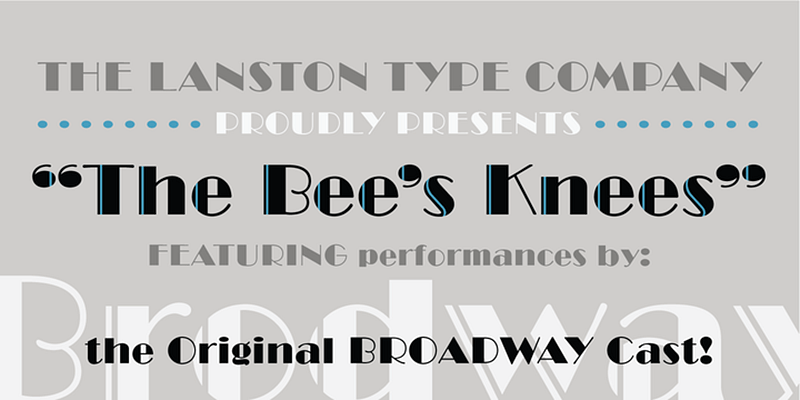
LTC Broadway, the iconic Art Deco face, was originally designed by Morris Fuller Benton for ATF in 1927. In the late 1920s Sol Hess added a lower case, and an engraved version for Lanston.
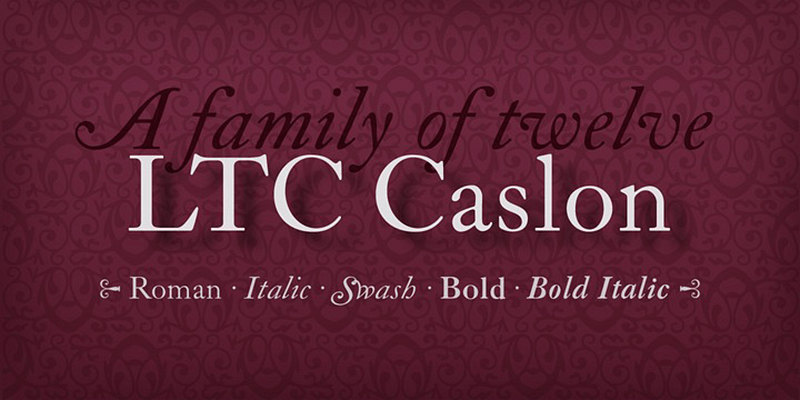
LTC Caslon is redrawn based on the Wm. Caslon 14-pt font for hand composition, to be closer to the original Caslon. Both the original 1915, and this version are offered with long and short descenders.
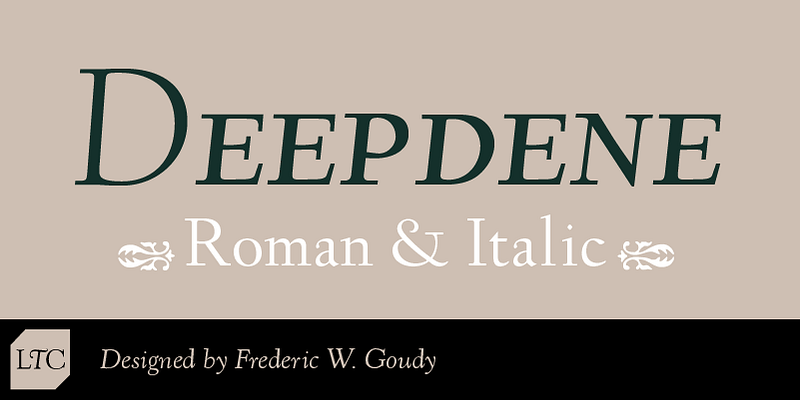
Explore LTC Deepdene Pro designed by Frederic W. Goudy at Adobe Fonts.
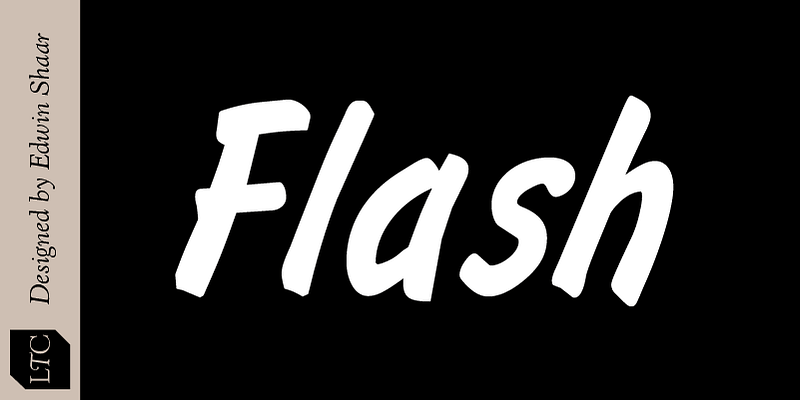
Explore LTC Flash designed by Edwin W. Shaar at Adobe Fonts.
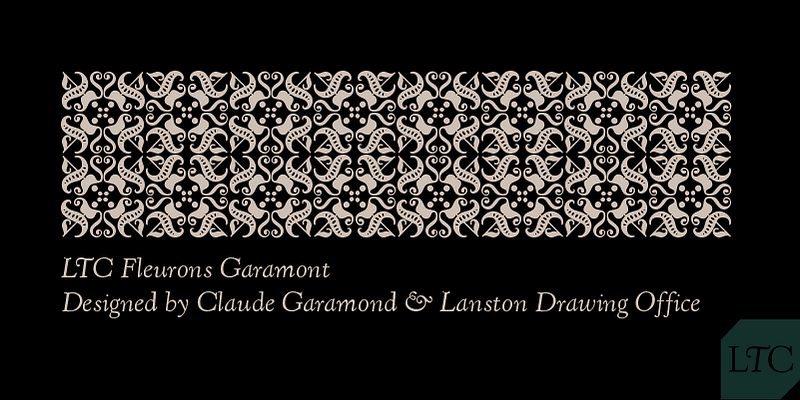
Explore LTC Fleurons designed by Colin Kahn at Adobe Fonts.
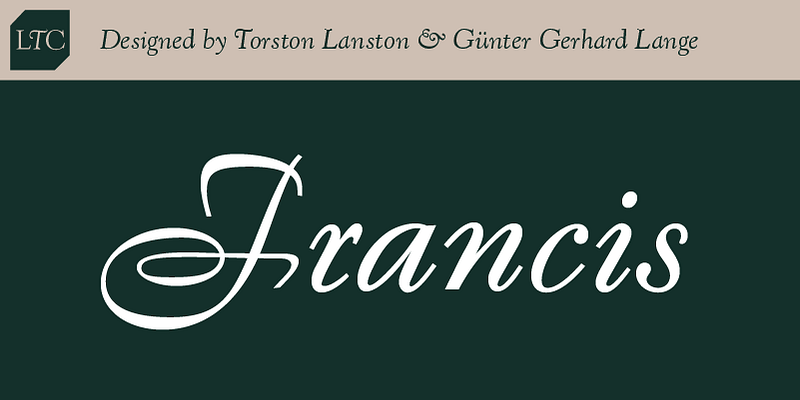
Explore LTC Francis available at Adobe Fonts.
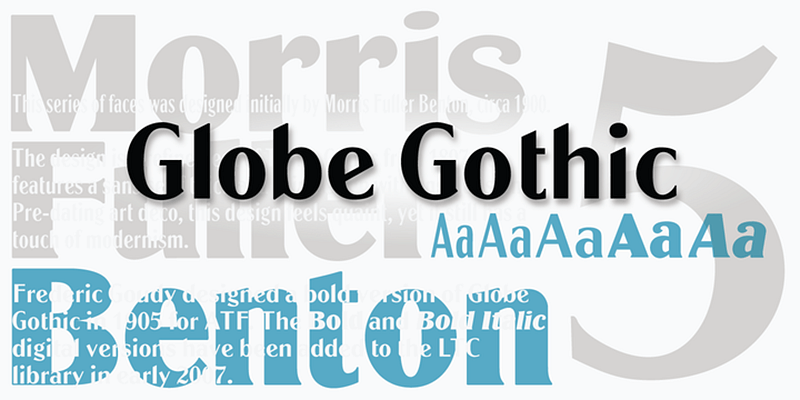
LTC Globe Gothic is a refinement of Taylor Gothic redone by Morris Fuller Benton in the early 1900s. Frederic Goudy designed the bold for Globe Gothic in 1905. This design feels quaint, yet modern.
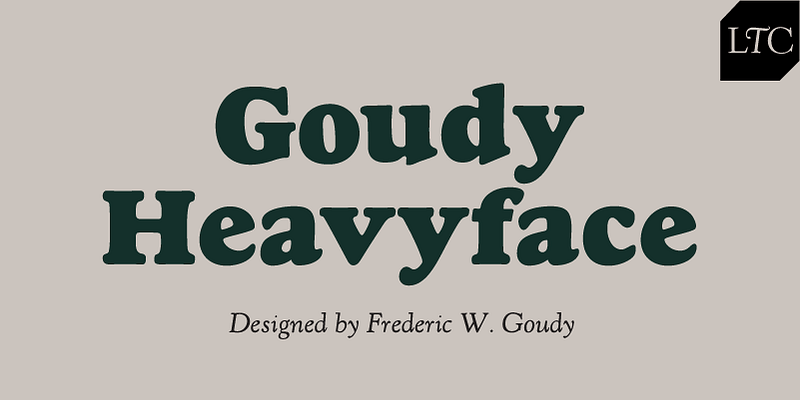
LTC Goudy Heavyface is in the style of bold, broadside poster lettering designed by Frederic Goudy in 1925. It was made to be Lanston Monotype’s answer to the then relatively new “Cooper Black.” The similarity is obvious, but Goudy Heavyface has a distinct Goudy touch and an informal feel, making it unique and a welcome alternative to the now ubiquitous Cooper Black. Its generous design means it can be used on an event poster as easily as it can be used in a brochure or even a business card.
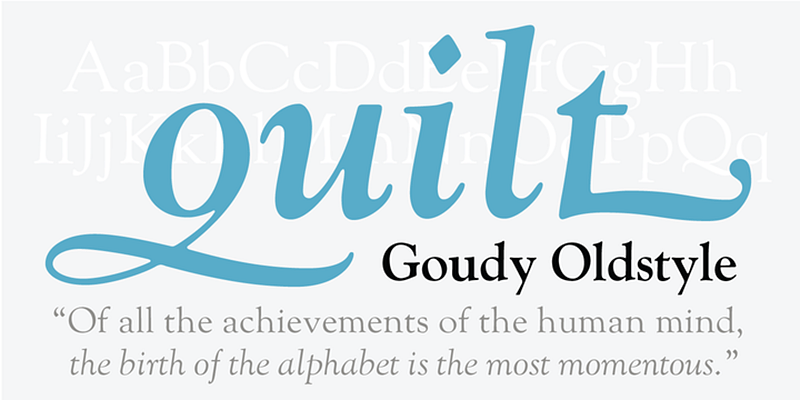
LTC Goudy Oldstyle is a classic Frederic W. Goudy design. The OpenType font allows for the option of long or short descenders and many other alternates.
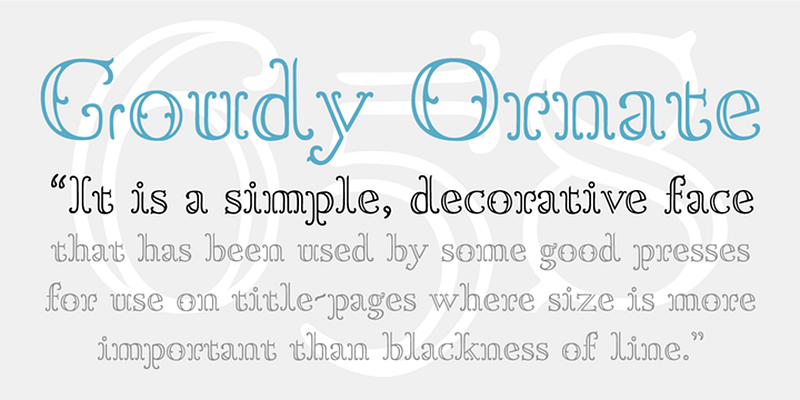
LTC Goudy Ornate was designed in 1931 by Frederic W. Goudy. This new Lanston digital version includes a lower case and full character set designed in the style of Frederic W. Goudy.
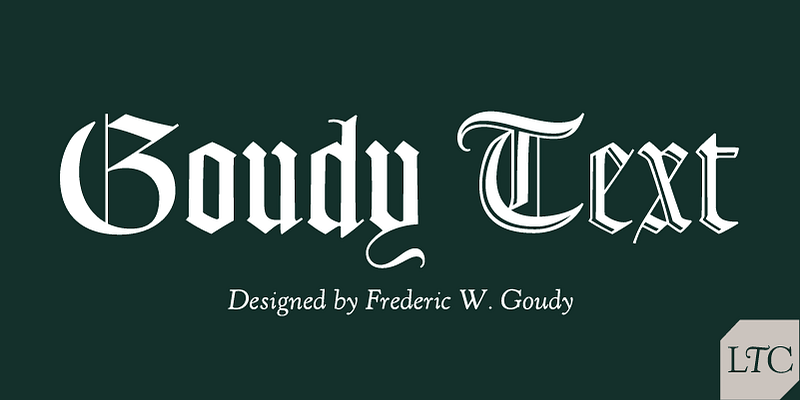
LTC Goudy Text is a blackletter face designed by Frederic Goudy in 1928 based on Gutenberg’s 42-line Bible. Goudy Text Shaded is an inline display variant that was added later by Lanston Monotype as decorative Lombardic Titling Caps intended to accompany and add a more distinctive historical flourish to Goudy Text. A full lowercase was added, along with some handy ligatures and alternates. Consider Goudy Text as an obvious nod to the past or something a little irreverent for today.
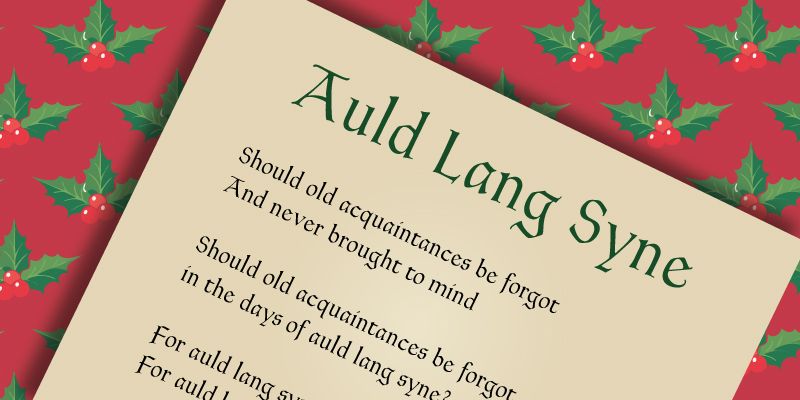
LTC Goudy is a “Gothicized” Roman similar to other Goudy typefaces. The design originated as a private press type for a “college in the West,” but the commission fell through. Lanston Monotype had suggested to Goudy that they might release a font after he “passed on” with the name “Goudy Thirty.” The number relates to “-30-” as a journalism term, which means “end of story.” Goudy Thirty was designed in 1942. Goudy died in 1947, and Lanston Monotype released the typeface in 1953.
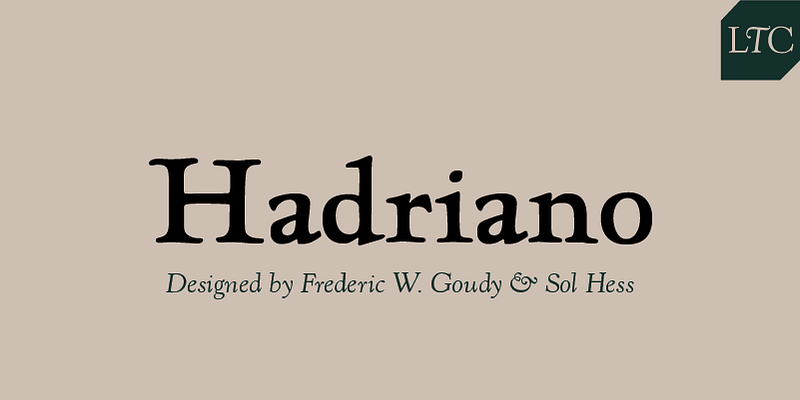
Explore LTC Hadriano Pro designed by Colin Kahn, Frederic W. Goudy at Adobe Fonts.

LTC Hess Monoblack was a rare metal face, and only made a brief appearance in Lanston Specimen—in fact no examples of the metal font seem to exist. Heavy and well suited for headlines and packaging.
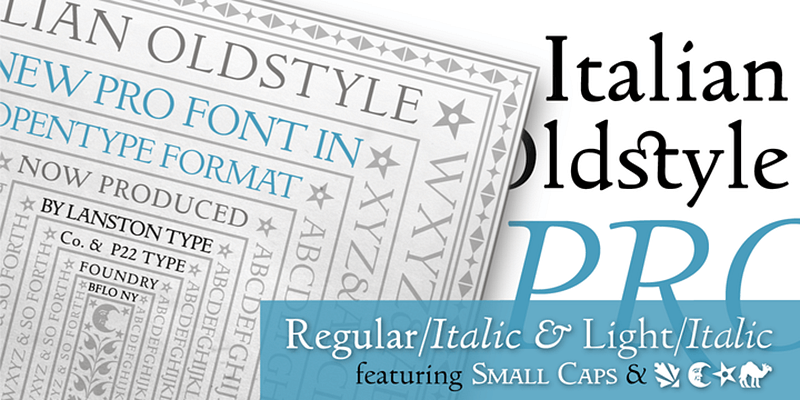
LTC Italian Oldstyle was designed by Frederic W. Goudy in 1924. Goudy went back to Jenson’s original faces for his inspiration, and the result is the best Renaissance face adapted for modern use.
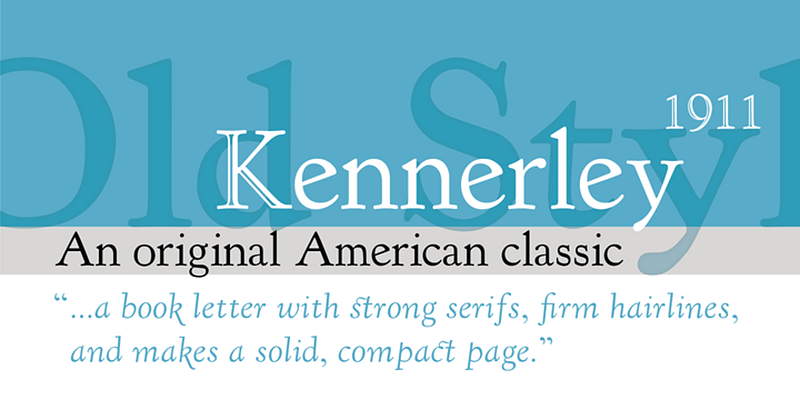
LTC Kennerley was designed by Frederic W. Goudy in 1911. One of Goudy’s best text faces, Kennerley is considered an original American classic as it is not based on historical type designs.

Explore LTC Metropolitan Pro designed by Colin Kahn at Adobe Fonts.
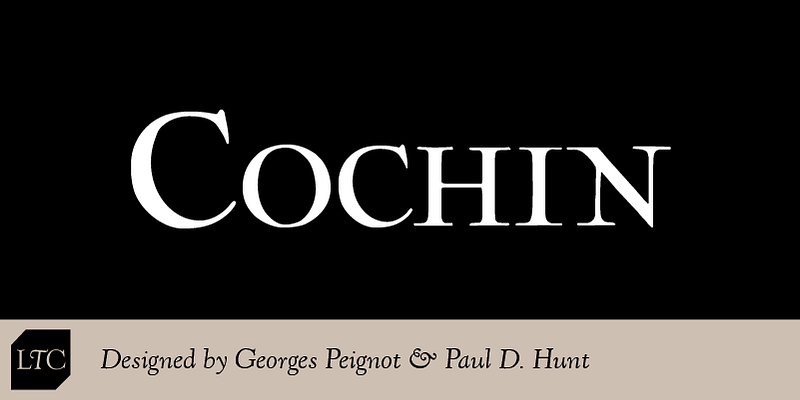
Explore LTC Nicholas Cochin Pro designed by Georges Peignot, Paul D. Hunt at Adobe Fonts.
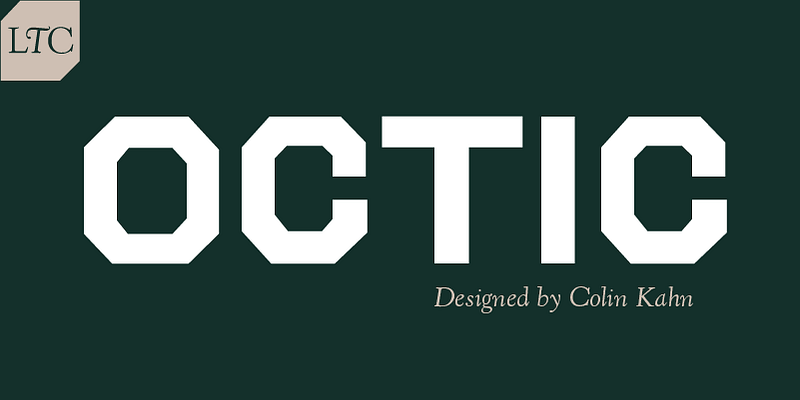
Explore LTC Octic Gothic designed by Colin Kahn at Adobe Fonts.
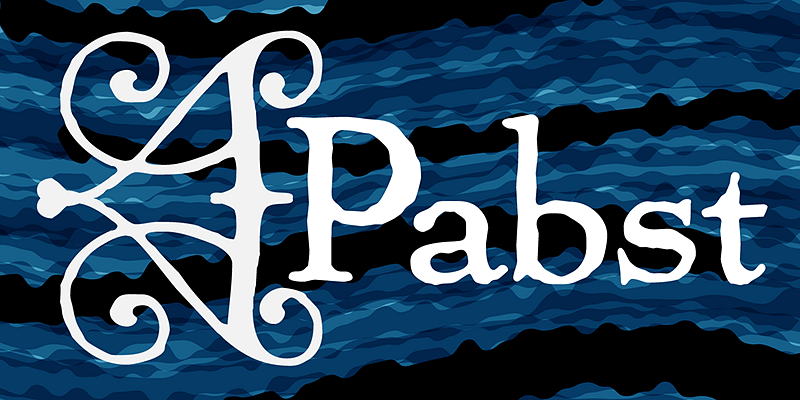
LTC Pabst was designed by Frederic W. Goudy in 1902. This lettering style was used by the Pabst Brewing Company for their promotional materials.
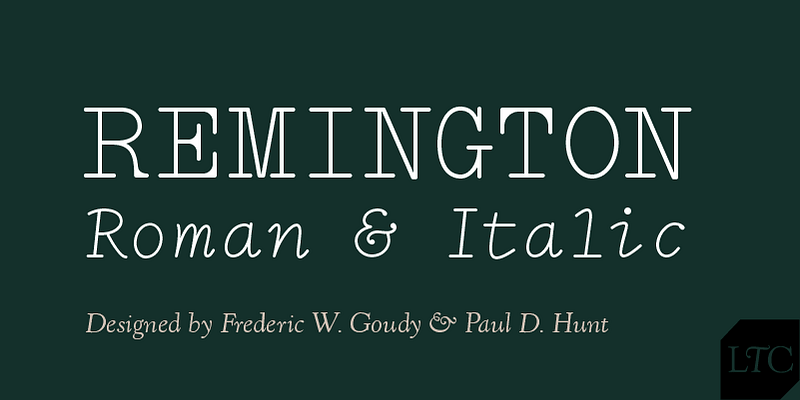
Explore LTC Remington Typewriter Pro available at Adobe Fonts.
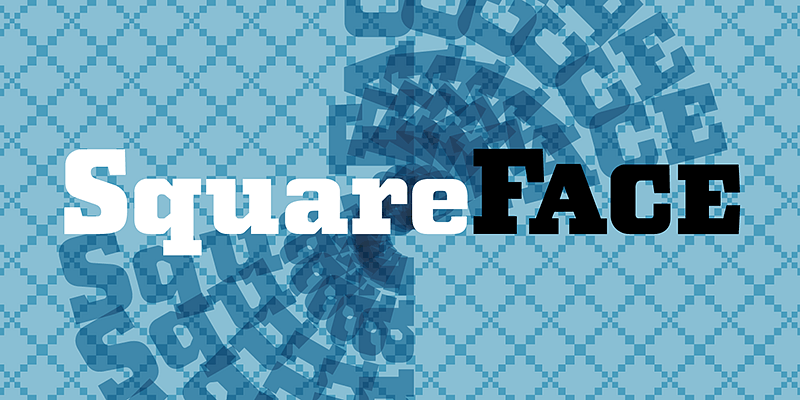
LTC Squareface is a striking display face designed by Sol Hess in 1940 as a variation of Stymie extra bold, but with squared corners where round shapes would normally be.