CSTM Fonts

7 fonts
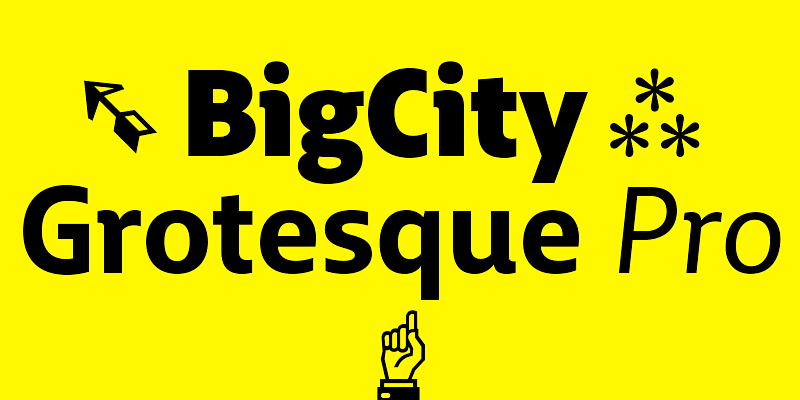
Big City Grotesque

Ilya Ruderman created the first version of BigCity Grotesque for Bol’shoi Gorod magazine (Big City). The typeface, like other humanist sans serifs, is based on the structures of old-style serifs. BigCity Grotesque was the first magazine sans serif with Cyrillic ligatures. It was honored in 2009 in the international competition, Modern Cyrillic 2009. In the latest version, by Olga Pankova, the shapes of the letters have been updated, and there are new upright and italic styles, small capitals and new ligatures and non-alphabetic symbols. BigCity Grotesque Pro, thanks to the wide range of weights and styles that it offers, has become a serious tool for meeting all kinds of typographical demands: from large displays to the most finicky typesetting. For additional license options like app and enterprise, visit Big City Grotesque on [Type Network](https://store.typenetwork.com/foundry/cstmfonts/fonts/bigcity-grotesque-pro).
sans-serif
foundry
commercial
Kazimir

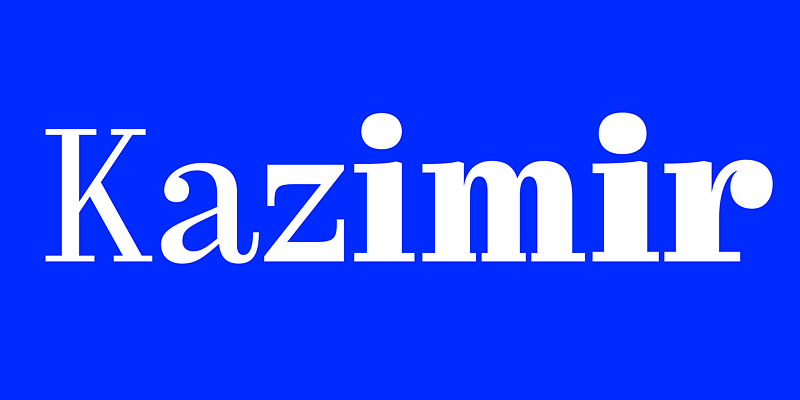
Kazimir is a Modern serif style typeface with five weights, from light to bold, with matched italics. The face has slightly narrowed proportions, long extenders and dynamic strokes reminiscent of the rhythms of transitional serifs. Kazimir is a reworking of book typography of the late 19th and early 20th centuries and specifically of the typeface used in the book, History of Russian Literature, by P. N. Polevoy, published by A. F. Marks in 1900. Kazimir blends various features of pre-revolutionary Russian typography with contemporary ideas of fashion, form and harmony. It also contains two stylistic sets, one default and one alternate, called Regular and Irregular, respectively. The latter set offers characters in bizarre shapes that are difficult to imagine as a text face but that works well in large sizes. Released in early 2015, Kazimir was later extended with it’s text version Kazimir Text. For additional license options like app and enterprise, visit Kazimir on [Type Network](https://store.typenetwork.com/foundry/cstmfonts/fonts/kazimir).

serif
foundry
commercial
Kazimir Text

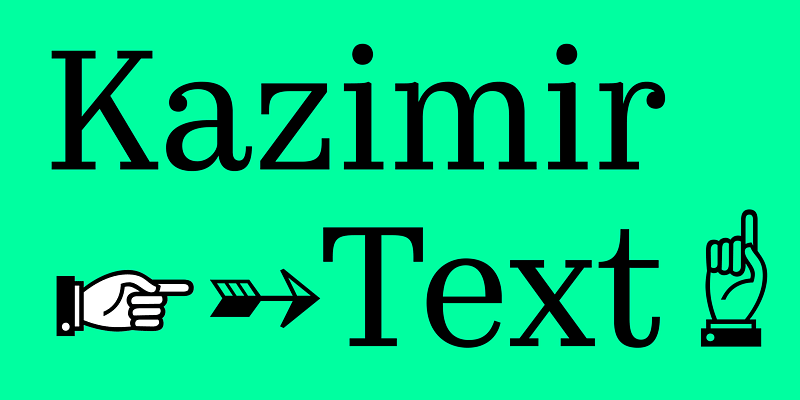
Kazimir Text is a Modern serif typeface with a quite simple graphic idea. It is a Text version of display Kazimir typeface. Kazimir Text has a bit wider proportions, a bit lower contrast and much wider codepage with extended language support compare to Kazimir. A set of stylistic alternatives called Irregular was also reconsidered — they became also more suitable for text usage. The amount of styles also became much wider: 11 romans and 11 italics. For additional license options like app and enterprise, visit Kazimir Text on [Type Network](https://store.typenetwork.com/foundry/cstmfonts/fonts/kazimir-text).

serif
foundry
commercial
Loos

The idea for the typeface comes from the lettering developed for the Russian edition of Adolf Loos’ book, ‘Why a Man Should be Well-Dressed: Appearances Can be Revealing’. Even though there is not much left from the original graphics, it was named after Loos — as it is a certain take on the aesthetic that this man worked on and wrote about (even if a century later). Loos is a modern closed sans serif typeface with an impressive amount of weights, from Compressed to Extended, from Thin to Black. Beyond Latin and Cyrillic, Loos typeface supports Georgian script. And — it comes with the inktraps that actually do trap the ink. For additional license options like app, enterprise, multi-user, and self-hosted web, visit [Loos on Type Network](https://store.typenetwork.com/foundry/cstmfonts/fonts/loos).

sans-serif
foundry
commercial
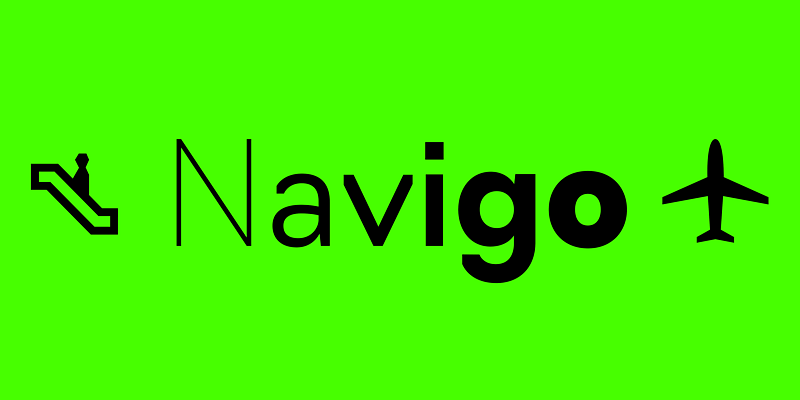
Navigo

Navigo was originally designed for the way-finding system and visual identity of the Moscow City District. A geometric sans with low contrast, its characters are of contemporary proportions and a large code page is provided. The Navigo case has extended Latin and Cyrillic, tabulated, majuscule and minuscule figures, fractions and navigational pictograms. It is suitable for both text and display typesettings. For additional license options like app and enterprise, visit Navigo on [Type Network](https://store.typenetwork.com/foundry/cstmfonts/fonts/navigo).

sans-serif
foundry
commercial
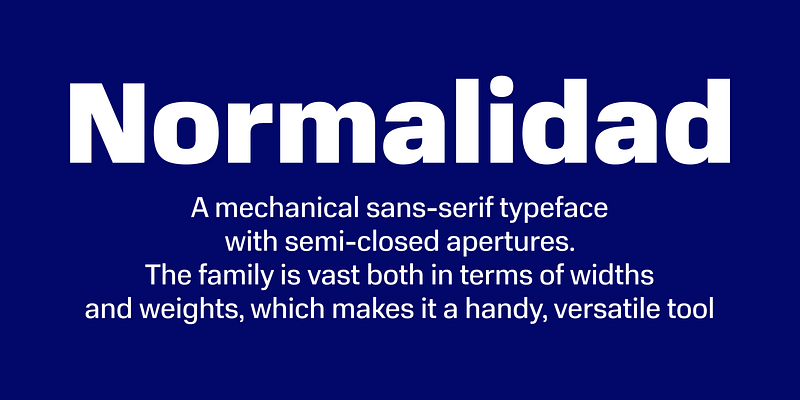
Normalidad

Normalidad is a mechanical sans-serif typeface with semi-closed apertures. Originally designed for MTS, a Russian mobile network operator in 2019. The family is vast both in terms of widths (from Compact to Ultra Extended) and weights (from Thin to Black), which makes it a handy, versatile tool. Normalidad satisfies a variety of needs with styles suitable for setting type big and some capable of small text and use in UI systems. For additional license options like app, enterprise, multi-user, and self-hosted web, visit [Normalidid on Type Network](https://store.typenetwork.com/foundry/cstmfonts/fonts/normalidad).

sans-serif
foundry
commercial
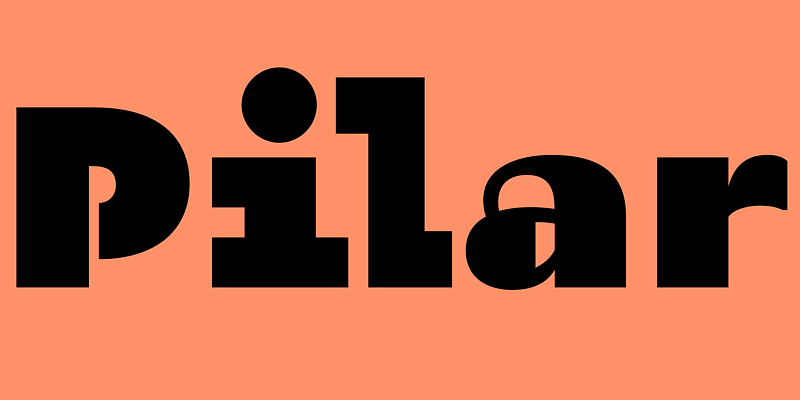
Pilar

Pilar, a geometric sans serif, has been designed for large display purposes. It is a contemporary reworking of the typography of European art déco. The first version of this typeface was drawn by Yury Ostromentsky for the headlines of Bol’shoy Gorod (Big City) magazine in 2012. The typeface now has four stylistic sets, with four sets of alphanumeric glyphs, one default and three alternates. Every letter comes in four different designs. The four sets are called: Regular Open, Wide Closed, Narrow and Wild. With this variability, one and the same word or phrase can be given a different look while remaining within one graphic system. For additional license options like app and enterprise, visit Pilar on [Type Network](https://store.typenetwork.com/foundry/cstmfonts/fonts/pilar).

sans-serif
foundry
commercial